
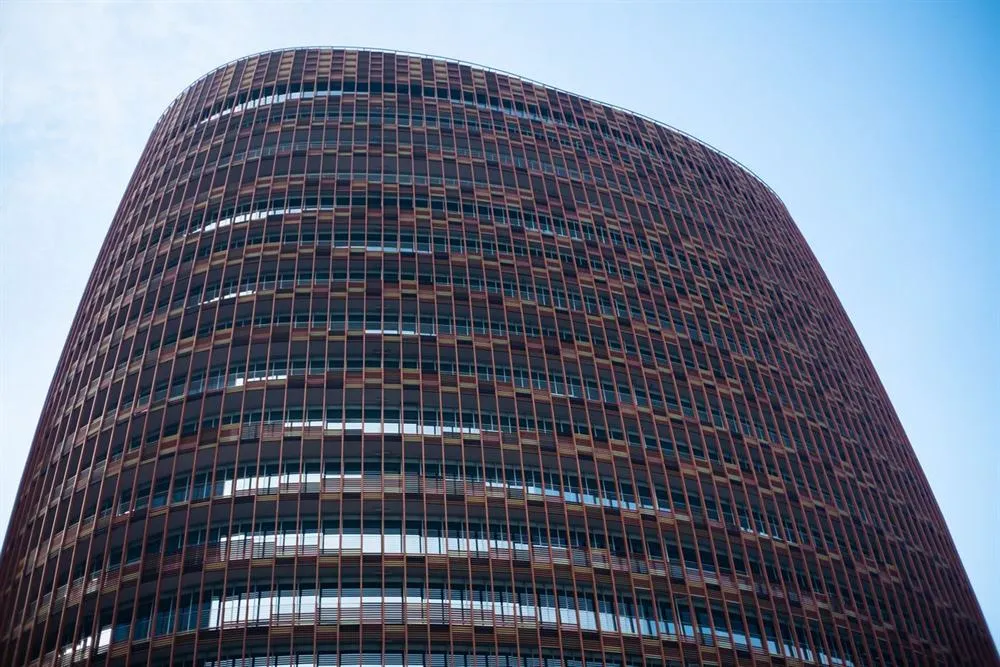
Multi-tenant office buildings concentrate the hardest infrastructure governance problems in real estate: dozens of tenants, multiple carriers, constant churn, and shared risers where one vendor's shortcut becomes another tenant's outage.
Connectivity has become a leasing factor on par with parking and HVAC. Tenant rep brokers ask about carrier diversity. Enterprise tenants send IT due-diligence questionnaires before signing. A building that can answer with documentation, which carriers, which pathways, what capacity, what lead times, wins deals that a building with a binder of stale as-builts loses.
The churn cycle is where office buildings bleed: every move-out leaves abandoned cable, every move-in brings unfamiliar vendors, and every "quick" telecom visit is a potential undocumented change. Governance turns that churn from an erosion process into a documented lifecycle.
Where this property type gets hurt
- Riser congestion and abandoned cable from decades of tenant churn
- Move-in delays caused by late carrier orders and unknown pathway capacity
- Vendor damage disputes between tenants with no access records to resolve them
- Enterprise tenant due-diligence requests the building cannot answer
- ERRCS coverage obligations in stairwells and below-grade levels