
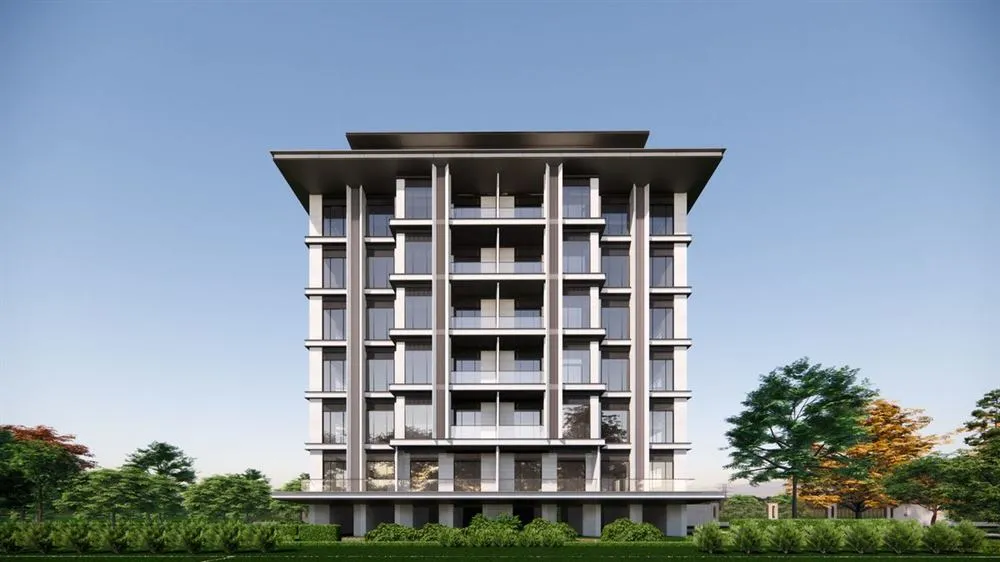
Mixed-use properties push multiple asset classes through shared infrastructure: retail point-of-sale and music systems, residential bulk internet agreements, office carrier diversity, hospitality guest networks, all riding pathways that were designed once and renegotiated never.
Each component has different vendors, different service models, and different risk tolerances, but they share risers, entrance facilities, rooftop space, and often emergency responder coverage systems. A residential ISP's contractor working in a shared riser can take down a restaurant's payment processing; a retail build-out can disturb pathways serving office floors above.
Governance in mixed-use means one accountability framework across all components, one access standard, one documentation baseline, one change process, while respecting that a hotel's connectivity needs are not an office tenant's. That is a coordination discipline more than a technical one, and it is exactly what most mixed-use properties are missing.
Where this property type gets hurt
- Shared pathways serving components with conflicting vendors and standards
- Bulk residential internet agreements colliding with commercial carrier access
- Retail tenant vendors performing undocumented work in shared spaces
- Complex ERRCS coverage across parking, residential towers, and podium retail
- No single accountable record of what serves which component